Customer Service Hours
7:30 AM-6:30 PM CST
24-Hour Emergency
888-522-1130
Call 811, it is a free call! The One Call Center will let us know who you are and where you intend to dig.
It’s important to keep your natural gas meter clear of debris, vegetation, snow, and ice.
Cascade is committed to delivering natural gas safely and reliably to our customers. However, it’s important that natural gas appliances are maintained, utilize all proper ventilation technologies, and are safely operated. It’s easy if you follow these guidelines:
Vapors Can Ignite More tips about vapors | Spanish
To prevent serious home accidents caused by flammable-liquid vapors in a garage or basement, follow these steps:
Earthquake Preparedness Additional earthquake safety news | Spanish
Take a few simple precautions. Secure your water heater to a wall so it won’t fall over. Move flammable material away from any natural gas appliance.
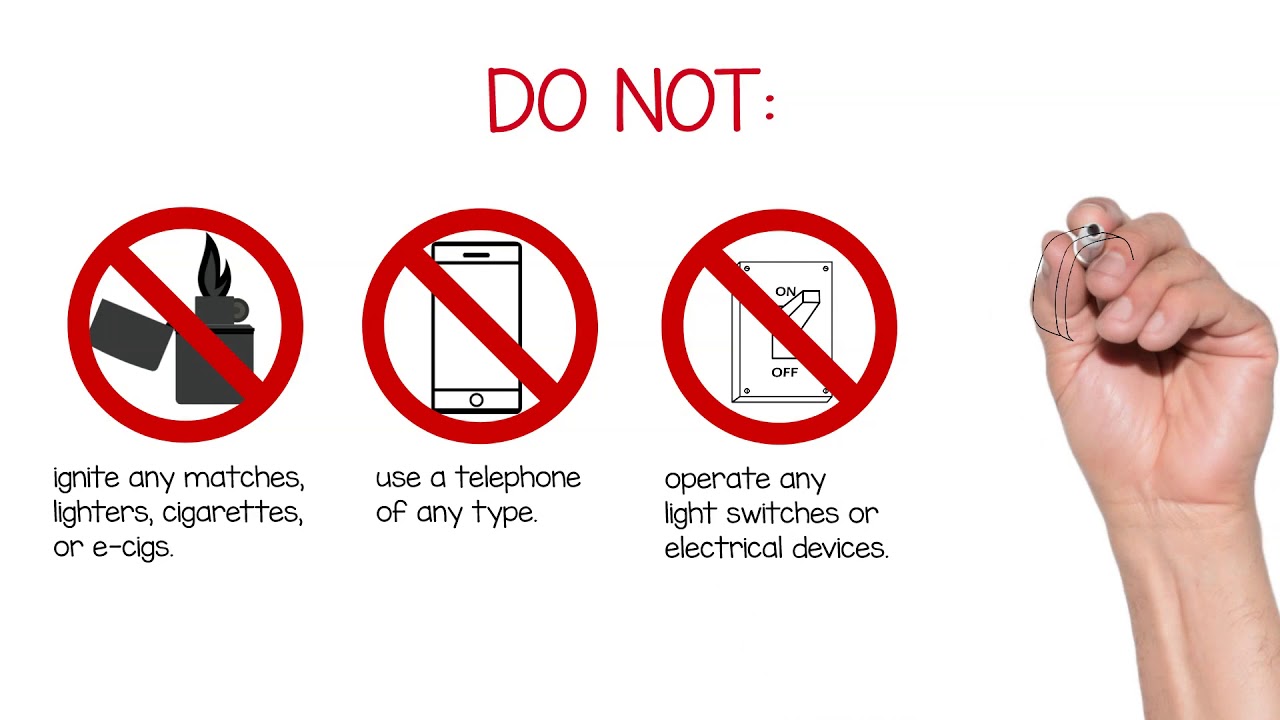
After an earthquake, check to be sure nothing has fallen or spilled near a gas appliance. If you detect a gas odor, turn off the shut-off valve. Once you have your gas turned off, leave it off and call Cascade Natural Gas to restore service. After an emergency, it may take several days for us to reach you.
Cascade Natural Gas encourages customers to inspect their natural gas meter on a regular basis to make sure it is not obstructed and that snow and ice have not built up on the meter. For more information, visit our Meter Access and Safety page.
Carbon Monoxide (CO) is a toxic, colorless, odorless and tasteless gas that is produced by incomplete burning of natural gas, propane, kerosene or any other fossil fuel heat. CO comes from poorly functioning appliances, or appliances that are not vented or are incorrectly vented. Appliances such as furnaces, space heaters and even gas or charcoal grills pose a threat. Outdoor equipment such as portable generators, heaters and stoves also can create dangerous levels of CO in cabins and hunting/fishing shacks.
CO can be especially dangerous during the winter when homes are sealed up tight. The best ways to protect your family from CO are to:
Since the symptoms of CO poisoning are similar to the flu, victims often don’t realize the cause of their illness. CO poisoning symptoms can occur immediately or more gradually after long-term exposure. Symptoms do not include a fever, but do include:
If you suspect CO poisoning, get fresh air immediately. If exposure continues over a long period of time, CO poisoning can lead to brain damage or even death. If the symptoms are not accompanied by fever, if everyone in the family is ill, or you have pets acting strangely and the symptoms disappear when you leave the house, it could be CO poisoning.
What is CSST?
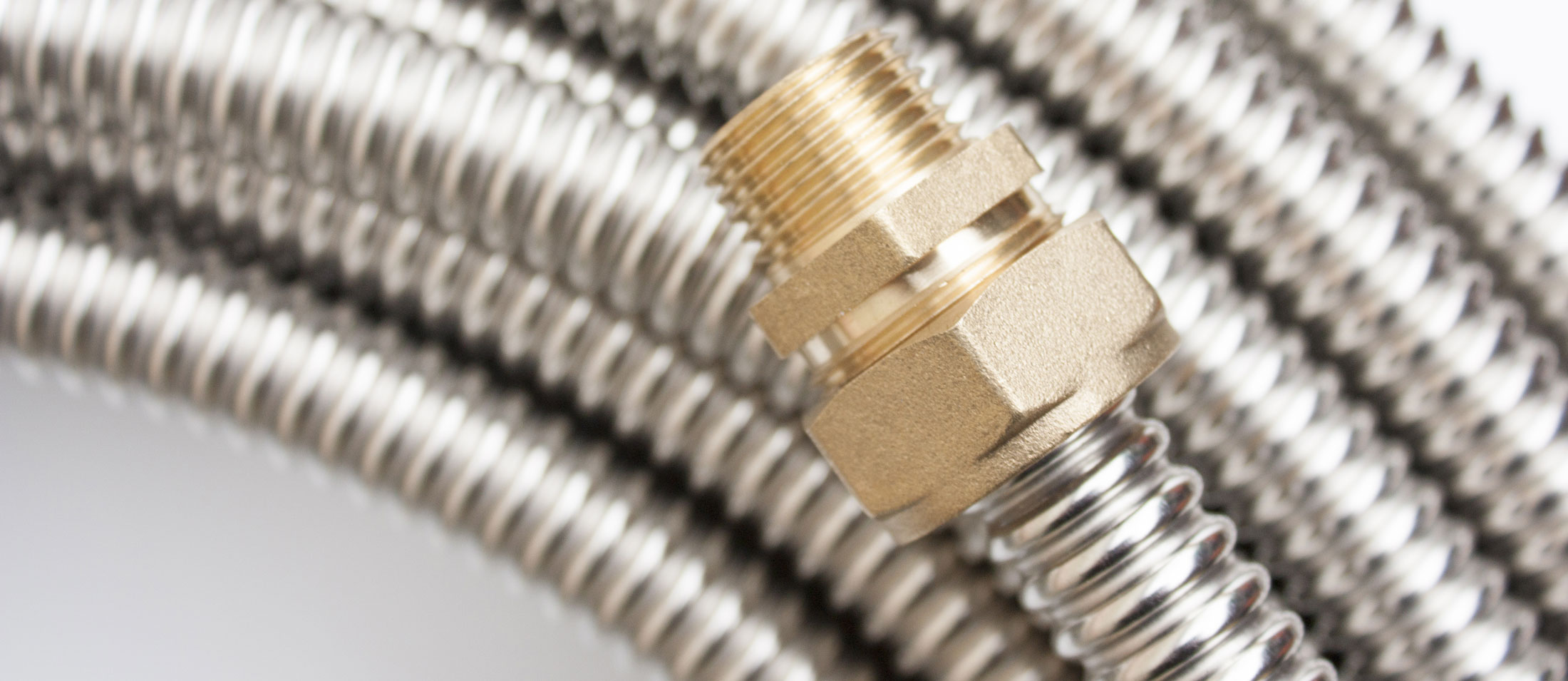
Corrugated Stainless Steel Tubing is a flexible pipe used to deliver natural gas inside many homes and businesses. It has been installed in millions of U.S. buildings since the 1990s.
Why It Matters
If CSST isn’t properly installed and electrically bonded, lightning can travel through the building and strike the tubing. This can create tiny holes in the pipe, leading to natural gas leaks, fires, or even explosions.
Real-World Incidents
Across the U.S., lightning-related fires and gas leaks involving CSST have been reported. In several cases, lightning caused punctures in CSST, releasing gas that ignited and led to severe property damage and loss of life.
What You Should Do
Who Should Pay Attention
Bottom Line
Properly bonded CSST is safe. If you suspect your building has CSST, a simple inspection by a licensed electrician can provide peace of mind and help protect your home from lightning-related hazards.